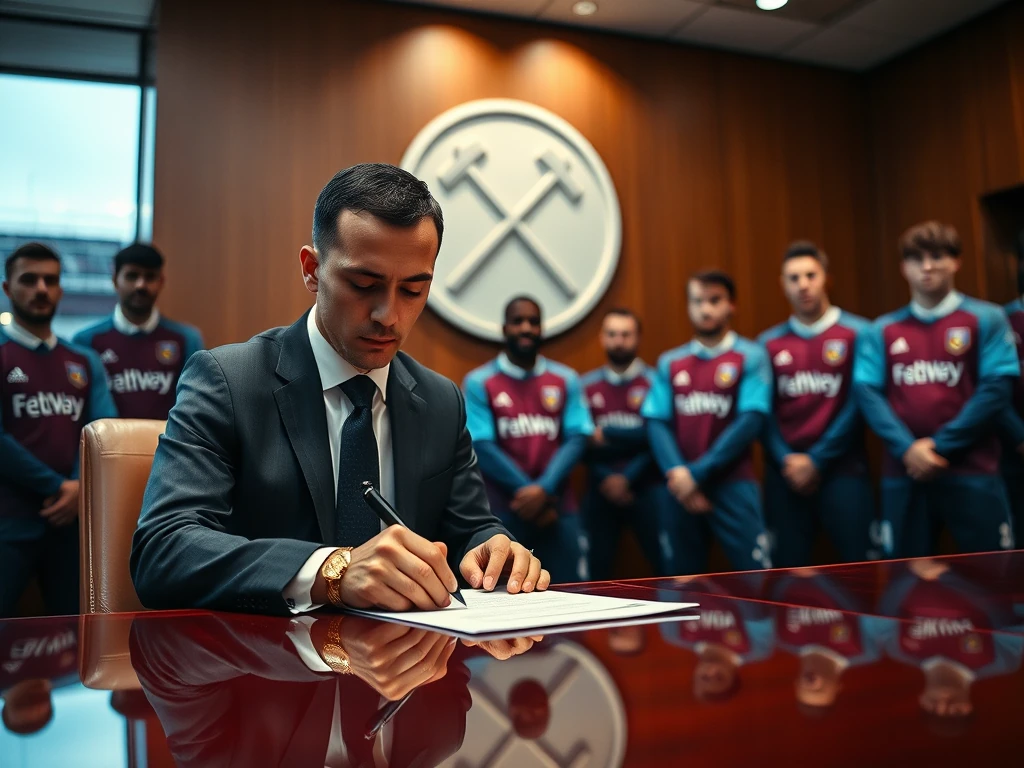

West Ham United is now shouldering a £19 million yearly charge for the London Stadium, a figure that has sparked fresh criticism from supporters and local officials. The club’s latest financial arrangement, revealed this week, places a heavy burden on public funds while the Hammers continue to chase Premier League survival.
The new agreement, signed in early 2026, obliges the council to provide West Ham United with an annual subsidy of £19 million to cover operating costs, maintenance, and a share of match‑day revenue. The club will still retain ticket‑sale income, but the subsidy ensures the stadium remains financially viable for both parties. Critics argue the sum exceeds what other clubs receive for similar facilities, especially as West Ham sit 18th in the Premier League with 39 points after the 2025 season.
Local taxpayers fund the £19 million through council budgets, meaning money that could otherwise support schools, roads, or health services. With the Hammers having conceded 65 goals this season and sitting 46 points behind leaders Arsenal, many wonder if the public investment is justified. The club’s recent form - a recent run of WLLLW - has done little to reassure fans that the stadium will generate enough revenue to offset the subsidy.
Most Premier League clubs negotiate stadium deals that either involve rent payments or revenue‑sharing models without direct subsidies. West Ham United’s arrangement is unusual in its scale; the £19 million annual outlay dwarfs the typical council contributions to other city‑based clubs. For context, the Hammers scored 46 goals this season while conceding 65, a -19 goal difference that shows on‑field struggles that may affect attendance and commercial income.
Council leaders have pledged to review the deal before the next fiscal year, citing the need for transparency and value for money. West Ham United’s management, led by David Moyes, maintains that the stadium is essential for long‑term growth and hopes to improve the team’s league standing. Fans are urging the club to invest in the squad rather than rely on public cash, hoping the Hammers can climb out of the relegation zone and close the gap with the league leaders.
If the club can turn its fortunes around - turning the goal‑difference deficit into a positive and climbing the table - the £19 million subsidy may be seen as a strategic investment. However, with the Hammers currently 18th in the Premier League and recent form showing more losses than wins, the pressure is on both the club and the council to justify the expense. The outcome will shape how London’s taxpayers view football financing for years to come.