
Introduction
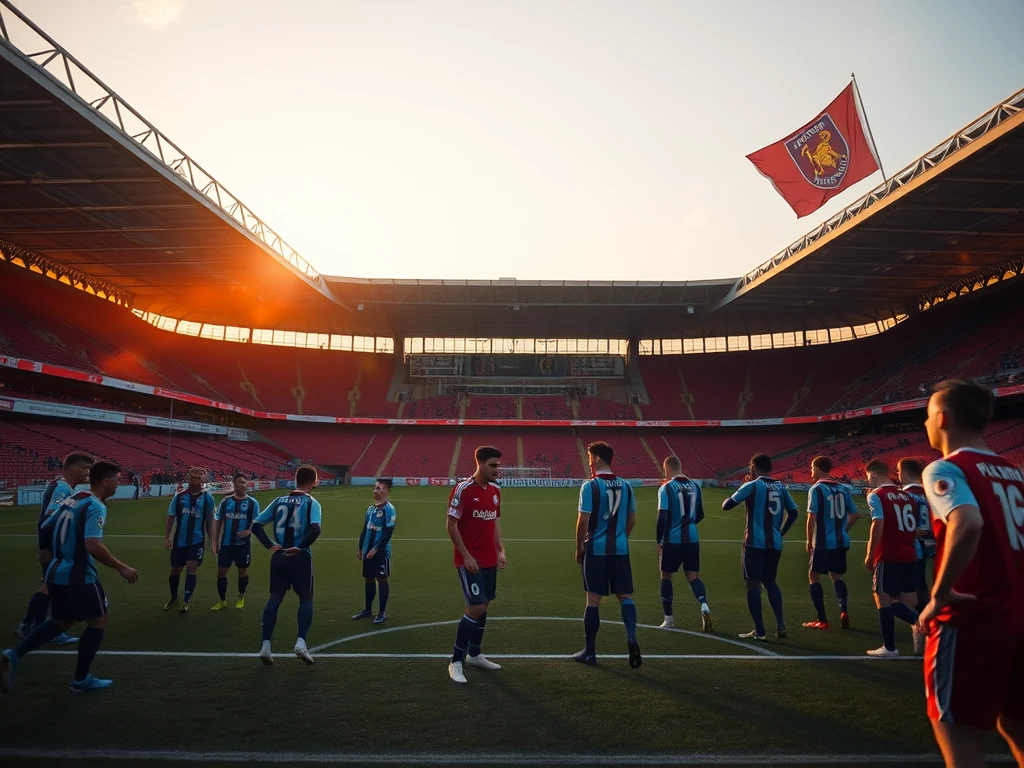
West Ham United, affectionately known as the Hammers, have found themselves in a test of character as they approach the business end of the season. Recent performances have highlighted both the resilience and vulnerabilities within the squad. To secure a strong finish and solidify their league position, a tactical reassessment is not only beneficial but essential.
Current Tactical Setup
David Moyes has predominantly deployed a 4-2-3-1 formation, which has provided some stability in midfield and attacking options. However, recent matches have exposed weaknesses, particularly against teams that press aggressively. The team's inability to transition quickly from defense to attack has stifled creativity and allowed opponents to dominate possession.
Midfield Dynamics
One of the key areas requiring adjustment is the midfield trio. Declan Rice and Tomas Soucek have been key, yet the system can feel overly rigid. Introducing a more dynamic midfielder, capable of linking play and making forward runs-such as the emerging talent of Flynn Downes-could provide the necessary spark. This change would not only relieve pressure on Rice and Soucek but also add an element of unpredictability to the Hammers’ midfield.
Wing Play and Width
The Hammers rely heavily on wide play, primarily through the likes of Jarrod Bowen and Pablo Fornals. However, the predictability of their approach has made it easier for opponents to defend. A tactical tweak could involve encouraging full-backs to overlap more frequently, providing width and stretching opposing defenses. This would create space for Bowen and Fornals to cut inside or deliver dangerous crosses from deeper positions, making their attacks less one-dimensional.
Striking Options
While Michail Antonio brings physicality and experience, his recent struggles with form have been apparent. Exploring a two-striker system, perhaps pairing Antonio with Danny Ings or even using a false nine approach, could inject new life into the attack. This would not only allow for varied attacking patterns but also create confusion in the opponent's defensive line, as they would be forced to adapt to different styles of play.
Defensive Solidity
Defensively, West Ham have shown moments of vulnerability, particularly from set pieces and counter-attacks. Reinforcing the backline by transitioning to a 5-3-2 formation during difficult match phases could provide additional security. This adjustment not only adds another layer of protection but also allows for quick counter-attacking opportunities, use the pace of wingers when the team regains possession.
Conclusion
as the Hammers handle through the final stretch of the season, it is key to adopt tactical tweaks that maximize the squad's strengths while mitigating weaknesses. By enhancing midfield dynamics, improving wing play, re-evaluating striking options, and solidifying defensive structures, West Ham can regain the momentum necessary for a successful end to the campaign. The time for reassessment is now as we look ahead to a bright future for the club.